uPVC window maintenance and lifespan
One of the biggest reasons homeowners choose uPVC is how little looking-after it needs. There is no painting, no rot and no annual treatment — just the occasional clean and a quick check of the moving parts. This guide covers how long uPVC windows last, the simple routine that keeps them working smoothly, the common issues to watch for and when it finally makes sense to replace rather than repair.
How long do uPVC windows last?
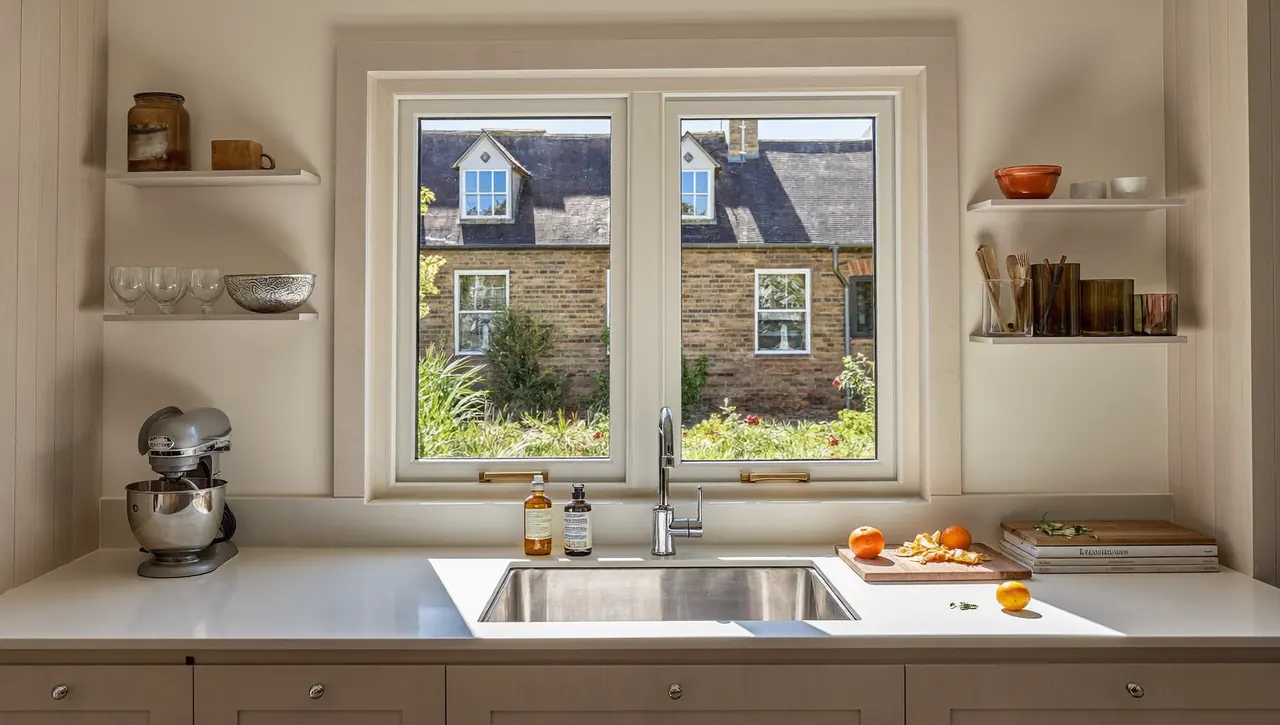
A good-quality uPVC window typically lasts between 20 and 35 years, and often longer if it is well made and well looked after. The frame itself is extremely durable; it is usually the sealed glazing units or the hardware — hinges, handles and locks — that show their age first, and those can often be replaced without changing the whole window. Buying from a registered installer with an insurance-backed guarantee, as covered in our buyer's guide, protects that longevity.
The simple care routine
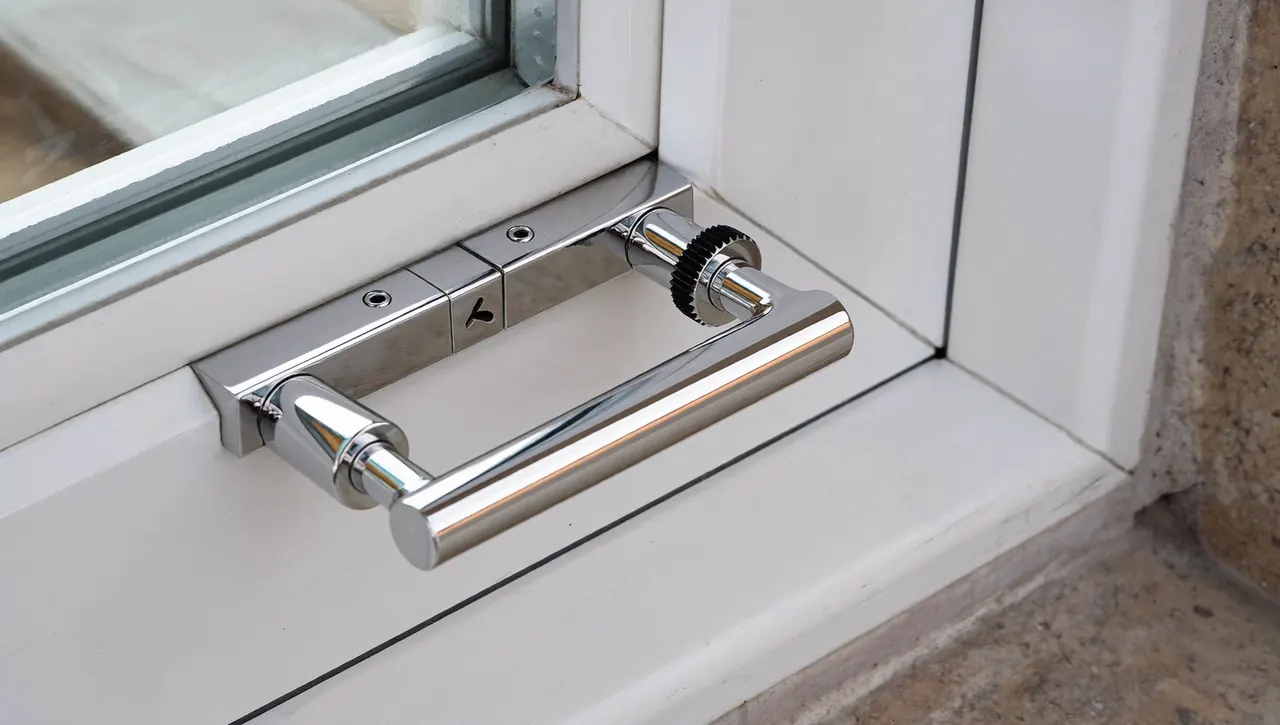
Twice a year is plenty for most homes. Wipe the frames with warm soapy water and a soft cloth — never abrasive cleaners or scouring pads, which can dull the surface or damage a coloured foil. Clean the glass as normal. Wipe out the drainage slots at the bottom of the frame so rainwater can escape, and give the hinges, handles and locking points a light spray of dry lubricant or a drop of oil so they keep operating smoothly.
Looking after the seals
The rubber gaskets and weather seals around the sash are what keep draughts and rain out. Keep them clean and, if they ever look dry, a smear of silicone-based conditioner keeps them supple. If a seal perishes it can usually be replaced cheaply. Well-maintained seals also protect the energy performance of the window — see our energy ratings guide for why a good seal matters.
Windows past their best?
If repairs are mounting up, new uPVC may cost less than you think. Get matched with vetted local fitters for free, no-obligation quotes.
Get my uPVC quotes →Common issues and easy fixes
A few problems crop up over the years. Misting or condensation between the panes means the sealed unit has failed and needs replacing — the frame is usually fine. A stiff handle often just needs the hinges cleaning and lubricating. A draught can point to a worn seal or a hinge that needs adjusting so the sash closes tightly again. Most of these are inexpensive fixes rather than reasons to replace.
When to replace rather than repair
If the frames are cracked or discoloured, the units are misting up across the house, or the windows are draughty and hard to operate despite maintenance, replacement usually makes more sense than piecemeal repairs. Older windows are also far less efficient than a modern A-rated unit. When you reach that point, our prices guide helps you budget, and our colours and finishes guide shows the modern options available.

Compare uPVC replacement quotes
Free, no-obligation and no pressure to buy. Get matched with vetted local installers today.
Get my uPVC quotes →