uPVC window energy ratings explained
When you compare uPVC window quotes, you will see energy ratings quoted — usually an "A" or "A+" band, and sometimes a U-value. These numbers tell you how well a window keeps heat in, and they can make a real difference to comfort and running costs. This guide explains the Window Energy Rating scale and U-values in plain terms, so you know what to specify and which upgrades are worth the money.
What is a Window Energy Rating?
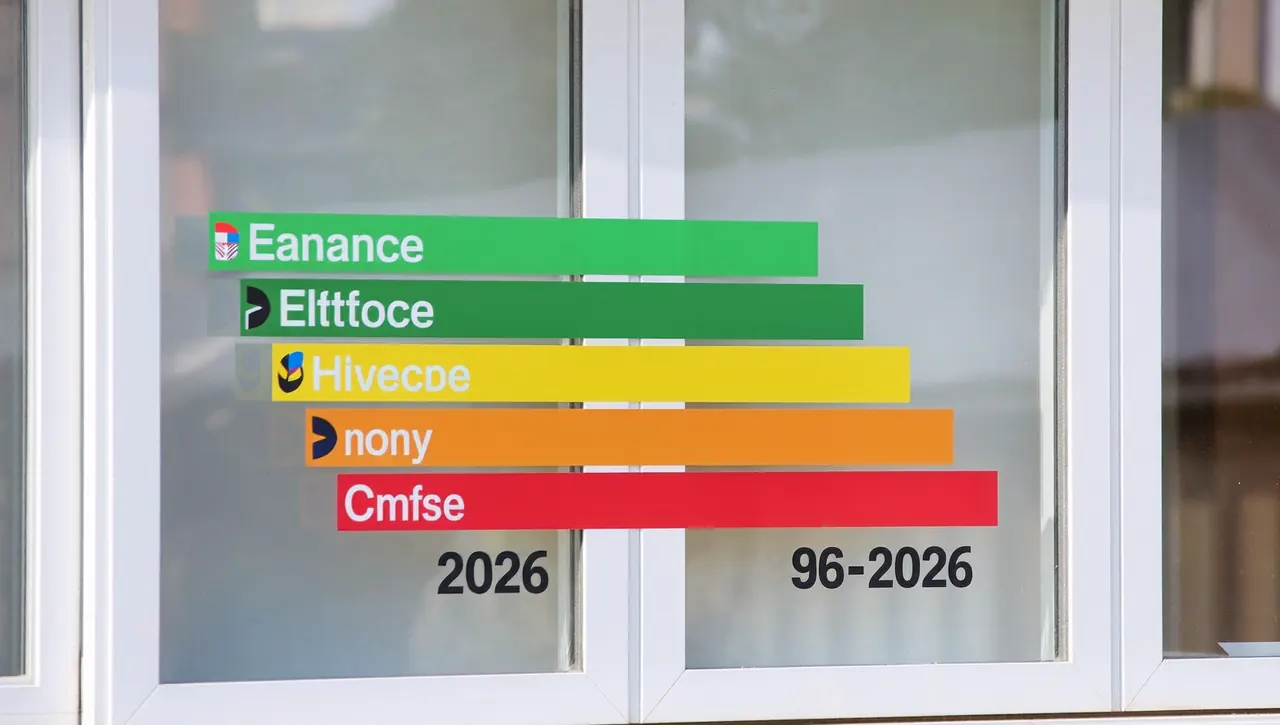
The Window Energy Rating (WER) is a UK scheme, run by the British Fenestration Rating Council, that grades a whole window from A++ (best) down to E, much like the label on a fridge or washing machine. It combines how much heat the window loses, how much solar warmth it lets in, and how much air leaks around it into a single, easy-to-compare band. Most new uPVC windows are rated A or A+, and A++ is available for premium specifications.
Understanding U-values
The U-value measures how quickly heat passes through the window — the lower the number, the better the insulation. A single-glazed window might have a U-value around 5.0, an older double-glazed unit around 2.8, and a modern A-rated uPVC window around 1.4 or lower. Building Regulations set a maximum U-value for replacement windows, so any reputable installer will meet the standard as a minimum.
What makes a window efficient
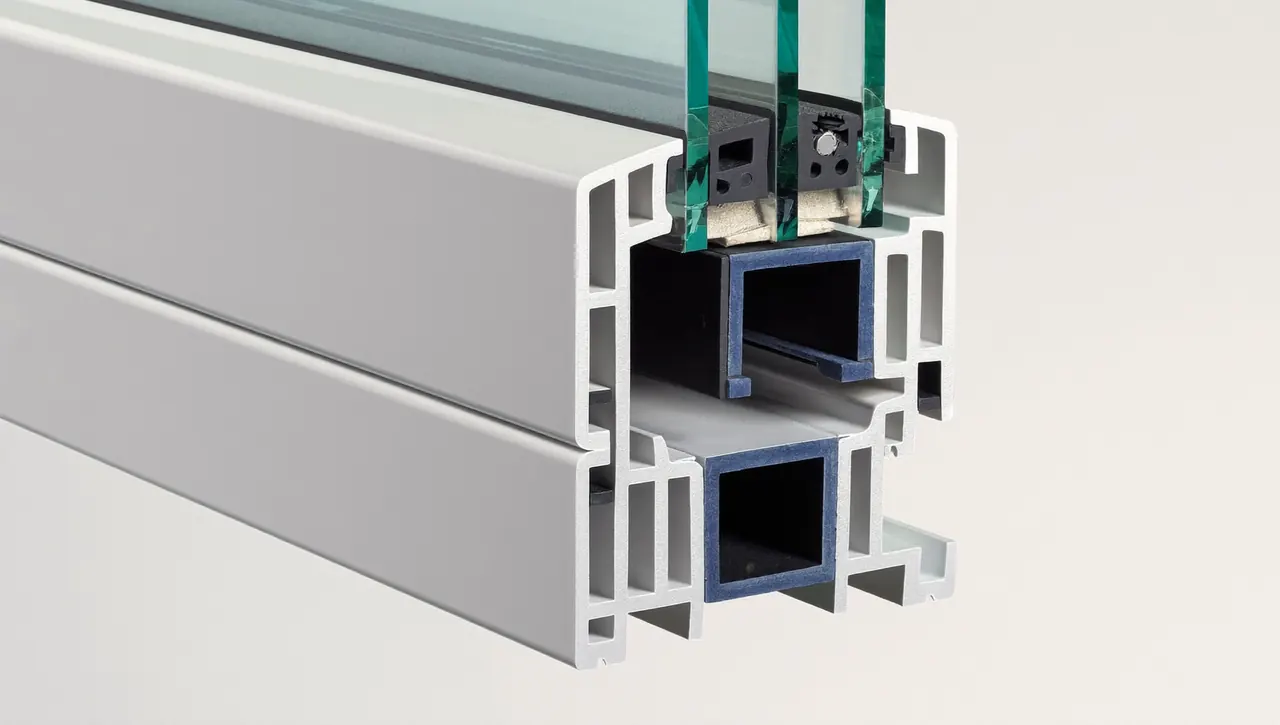
Three things drive the rating: the glass, the gas and the spacer. A low-emissivity (low-E) coating reflects heat back into the room; argon gas in the sealed cavity insulates better than air; and a "warm-edge" spacer bar around the glass reduces heat loss at the edges. The multi-chamber uPVC frame itself adds insulation. Together, these turn a basic unit into an A-rated one. Our buyer's guide puts these choices in the wider context of specifying a window.
Get quotes for A-rated uPVC
Ask matched installers to quote the energy rating clearly. Get matched with vetted local fitters for free, no-obligation quotes.
Get my uPVC quotes →Is triple glazing worth it?
Triple glazing adds a third pane and can push the U-value lower still, but it costs more and the extra weight needs a suitable frame. For most UK homes, a good A-rated double-glazed uPVC window is the sweet spot for value; triple glazing makes most sense in very exposed locations or for noise. If you are weighing it up, this guide on when triple glazing is worth the upgrade is a useful read alongside your uPVC quotes.
Energy ratings and your bills
According to the Energy Saving Trust, replacing old single glazing with modern energy-efficient double glazing can meaningfully reduce the heat lost through windows and help keep a home warmer. We never promise a specific saving — the real figure depends on your home, your heating and how you use it — but a better rating generally means a more comfortable, less draughty home.
What to specify
For most homes, ask for an A-rated window as standard and check the U-value on the quote. Make sure every quote you compare is for the same rating, or you are not comparing like for like — see our prices guide for how spec affects cost. Then keep your windows performing with the simple care in our maintenance guide.
Compare energy-efficient uPVC quotes
Free, no-obligation and no pressure to buy. Get matched with vetted local installers today.
Get my uPVC quotes →