uPVC casement windows
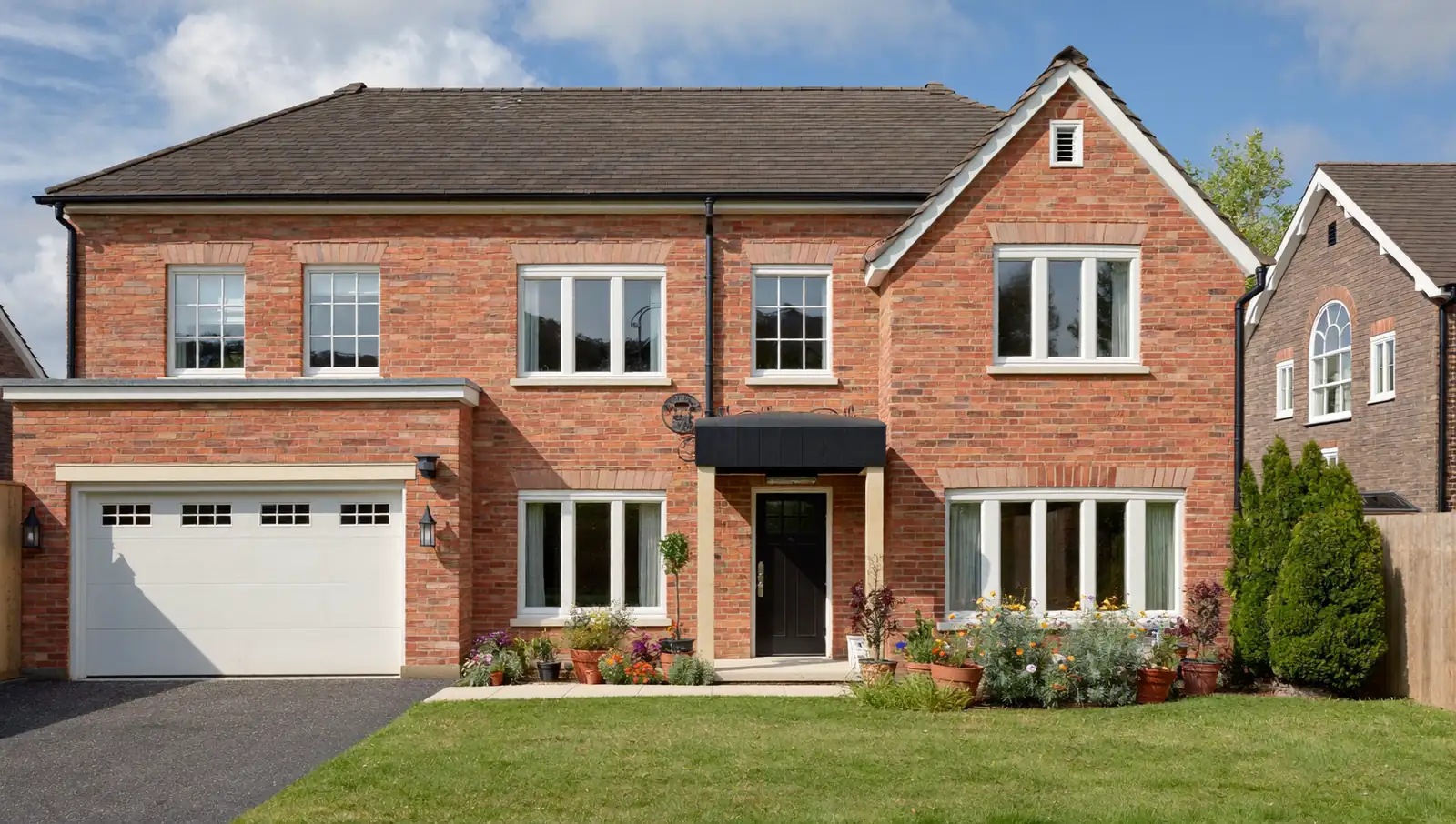
The casement is the window most British homes end up with, and for good reason. It is simple, reliable, weathertight and the most affordable style to replace in uPVC. If you are picturing a "standard" double-glazed window — a frame with one or more sashes hinged at the side that swing outward — you are picturing a casement. This guide explains how they work, what you can specify and what they typically cost.
How a casement window works
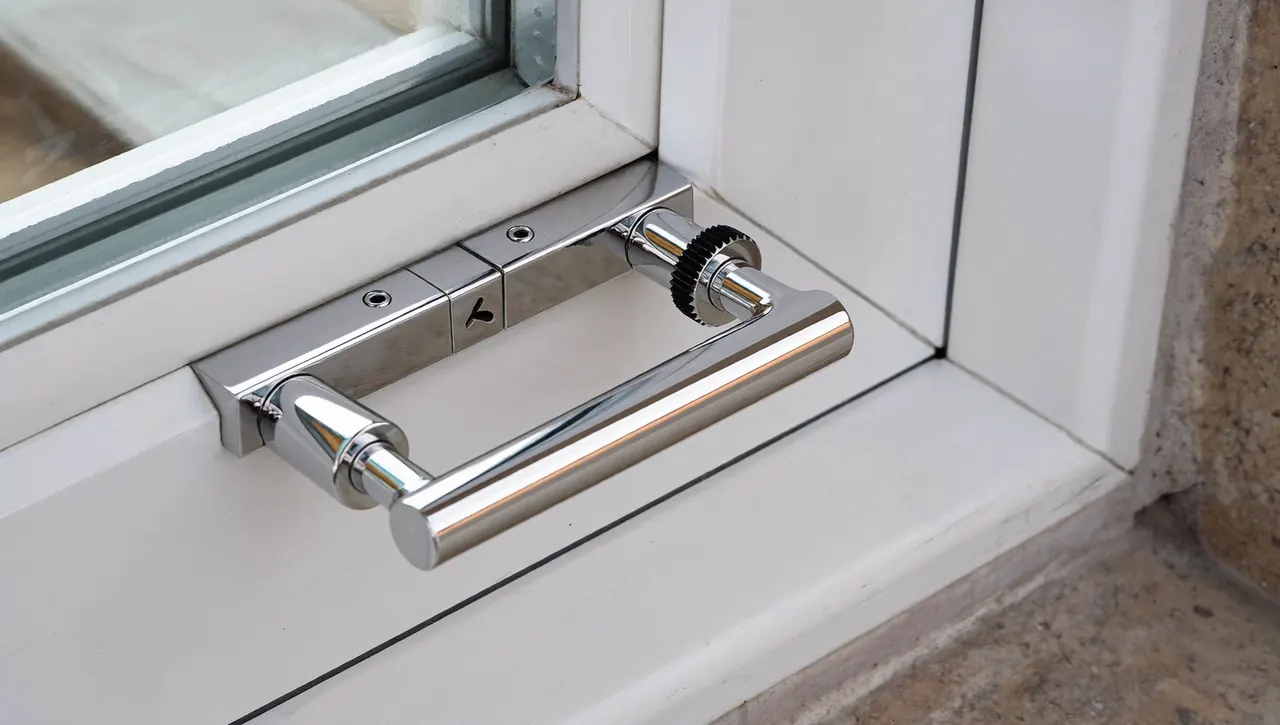
A casement sash is hinged along one edge and opens outward on a friction stay, which holds it at any angle and lets you control ventilation. Side-hung casements open like a door; top-hung (awning) casements are hinged at the top and are common for smaller ventilation lights above a fixed pane. A multi-point locking system engages around the frame when you turn the handle, pulling the sash tight against the weather seals for security and draught-proofing.
Configuration options
Casements are made to measure, so you can combine fixed panes and opening lights in almost any layout. A common arrangement is a large fixed pane with a slim opening light to one side or on top. Astragal bars or Georgian bars can be added for a traditional grid look, and you can specify obscure glass for bathrooms. If you like the casement principle but want a flush, timber-style finish, the flush casement covered in our window styles guide is worth a look.
Why casements are so popular
Casements offer the best value of any opening style. They are quick to manufacture and fit, they seal well for energy efficiency, and their simple hardware means fewer things to go wrong over the years. Because they open outward, they do not intrude into the room, which suits kitchens and any space where an inward-opening sash would be in the way. They also achieve strong Window Energy Ratings — see our energy ratings guide for what to specify.
Get casement quotes for your home
Tell us your postcode and we'll match you with vetted local fitters for free, no-obligation quotes on uPVC casement windows.
Get my uPVC quotes →Typical casement prices
A standard white uPVC casement usually costs between £350 and £650 supplied and fitted, making it the most cost-effective replacement window. Colours, larger sizes, higher energy ratings and awkward access all add to the figure. For the full picture across every style, see our uPVC window prices guide. As always, these are typical ranges — your accurate price comes from a measured survey.
Casement or sash?
If your home has a period frontage, you may be torn between casements and traditional vertical sliders. Sash windows cost more but suit Georgian and Victorian properties; casements are cheaper and more versatile. Our uPVC sash windows guide sets out the trade-offs so you can decide which fits your home and budget.
Buying with confidence
Whichever configuration you choose, make sure the installer is registered with FENSA or CERTASS so the work self-certifies to Building Regulations, and ask about an insurance-backed guarantee. Get three like-for-like quotes before you commit — a genuine casement quote will hold for weeks, so there is no need to be rushed.
Compare casement window quotes
Free, no-obligation and no pressure to buy. Get matched with vetted local installers today.
Get my uPVC quotes →