uPVC sash windows
Vertical sliding sash windows are the classic British window — the tall, elegant panes that define Georgian, Victorian and Edwardian homes. Traditional timber sashes are beautiful but demand regular painting and can stick or rattle with age. uPVC sash windows keep the period look while removing the upkeep, adding modern seals, locks and easy-clean tilt features. This guide explains how they work, what to specify and what they cost.
How a sash window works
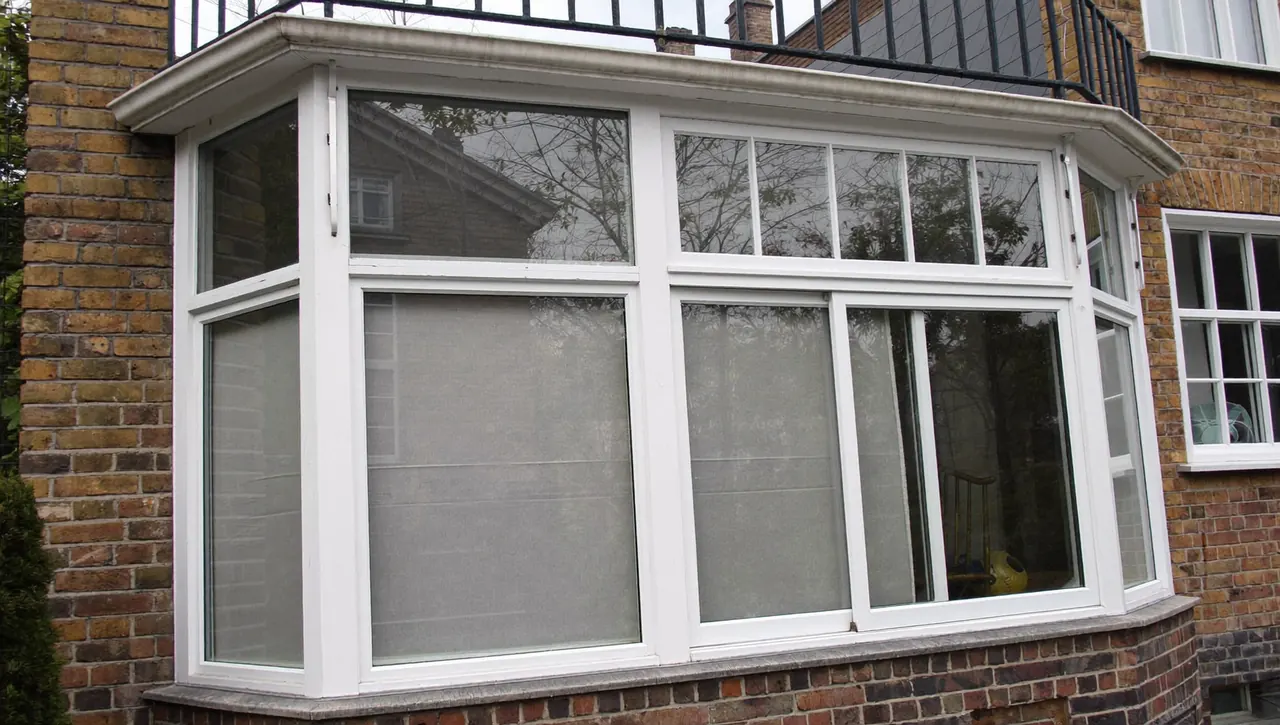
A sash window has two panels — sashes — that slide vertically past one another within the frame. In modern uPVC versions, hidden spring or spiral balances hold each sash at any height, replacing the old cords, pulleys and cast-iron weights. Both sashes tilt inward for cleaning from inside the room, which is a real advantage on upper floors. Discreet sash locks and multi-point catches provide security that the originals never had.
Keeping the period character
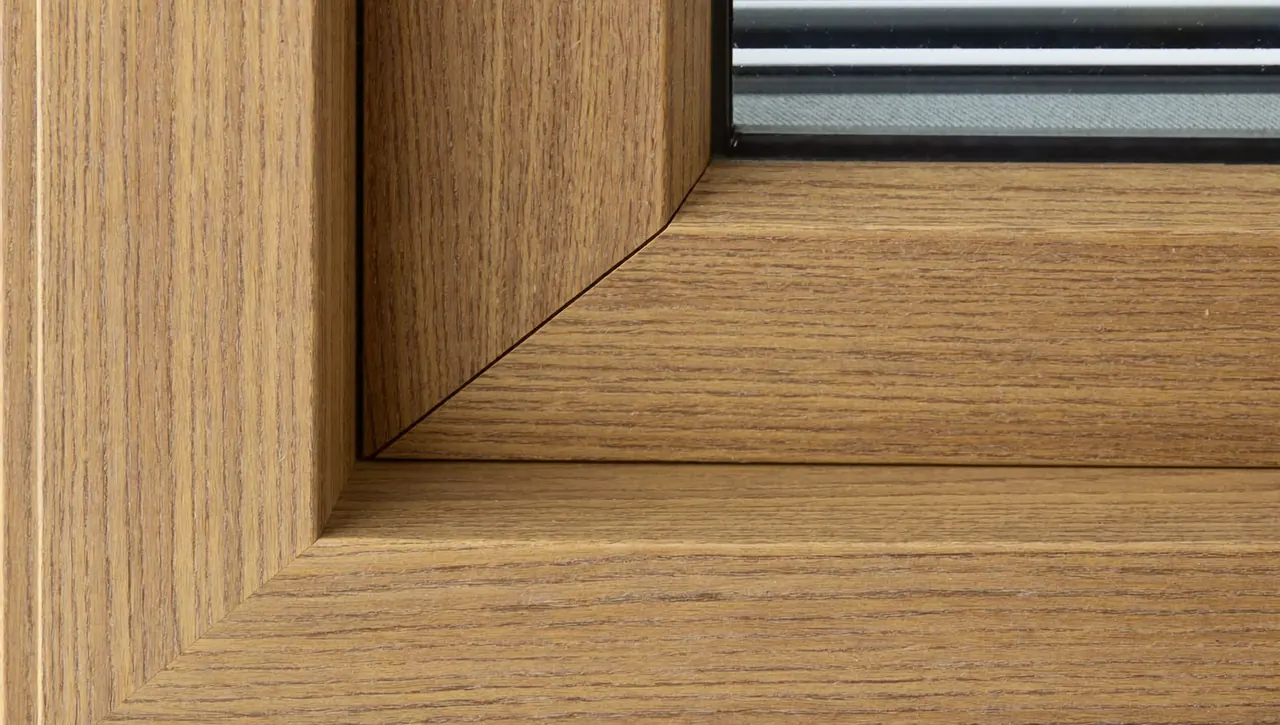
Good uPVC sash windows are designed to satisfy the eye. Features such as run-through sash horns, deep bottom rails, astragal or Georgian bars, and woodgrain foil finishes recreate the proportions of a timber original. Cream and heritage colours are popular for period frontages — our colours and finishes guide covers the options. In conservation areas or on listed buildings, always check planning requirements before ordering, as uPVC may not be permitted.
Benefits over timber
The main draw is low maintenance: no repainting, no rot and no swelling in wet weather. Modern uPVC sashes also seal far better than a draughty original, cutting heat loss and noise. According to the Energy Saving Trust, upgrading old single-glazed windows to modern double glazing reduces heat loss noticeably — and a sealed uPVC sash unit performs well on the Window Energy Rating scale explained in our energy ratings guide.
Get sash window quotes
Tell us your postcode and we'll match you with vetted local fitters experienced with uPVC sash windows for free, no-obligation quotes.
Get my uPVC quotes →Typical sash window prices
Sash windows cost more than casements because of the mechanism and the joinery detail. Expect roughly £600 to £1,150 per window supplied and fitted in white uPVC, with heritage colours, run-through horns and Georgian bars adding to the figure. Our uPVC window prices guide puts sash costs in context against every other style. These are typical ranges only; your real price is set at survey.
Sash or casement?
If period authenticity matters, the sash is worth the premium. If budget is the priority and your home suits it, a casement gives you the best value — see our uPVC casement windows guide. Many homeowners mix the two, using sashes at the front for kerb appeal and casements at the rear to save money.
Choosing an installer
Sash windows reward a careful fitter, so choose an installer registered with FENSA or CERTASS who can show previous sash work. Ask about the balance mechanism guarantee and an insurance-backed guarantee on the installation. Gather three like-for-like quotes before committing so you can compare specification as well as price.
Compare uPVC sash window quotes
Free, no-obligation and no pressure. Get matched with vetted local installers today.
Get my uPVC quotes →